

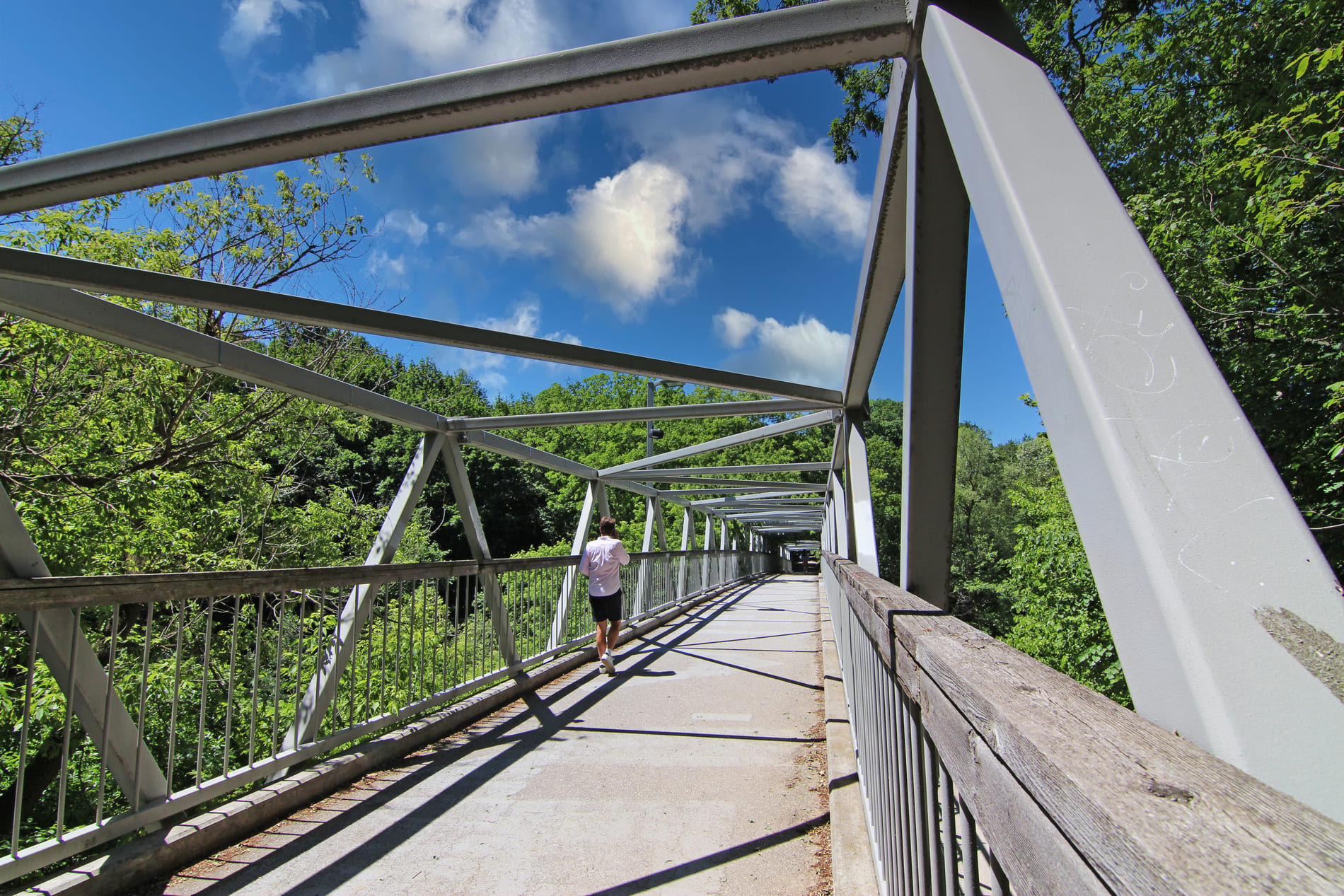
Moore Park is one of the quietest places in central Toronto, and one of the most consistently underestimated. It has no commercial strip, almost no through traffic, and very little that announces itself from the outside. What it has instead is a coherent streetscape of substantial heritage homes, ravine on two sides, and a location that puts it within minutes of both St. Clair and Yonge. This guide covers what living in Moore Park is actually like, and what buyers and sellers should understand about the market here.
Moore Park at a glance
- Location: Central Toronto, bounded by Mount Pleasant Cemetery to the west and south and the Moore Park Ravine to the east.
- Known for: Early twentieth century heritage homes, generous lots, and almost no through traffic.
- History: Laid out in the 1880s and 1890s by developer John T. Moore as one of Toronto's early streetcar suburbs.
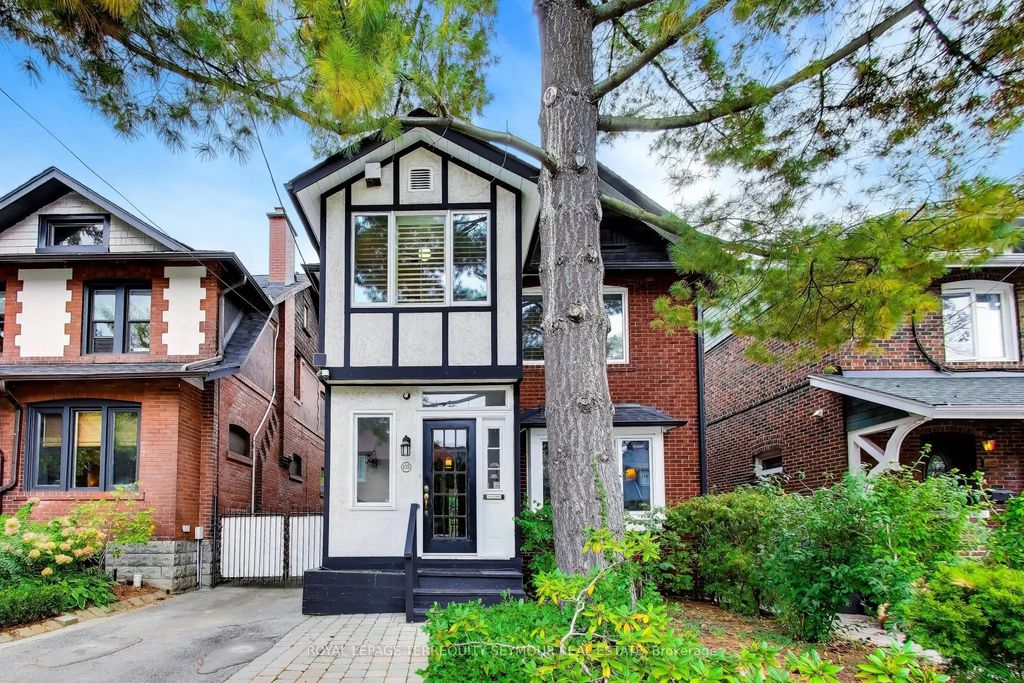
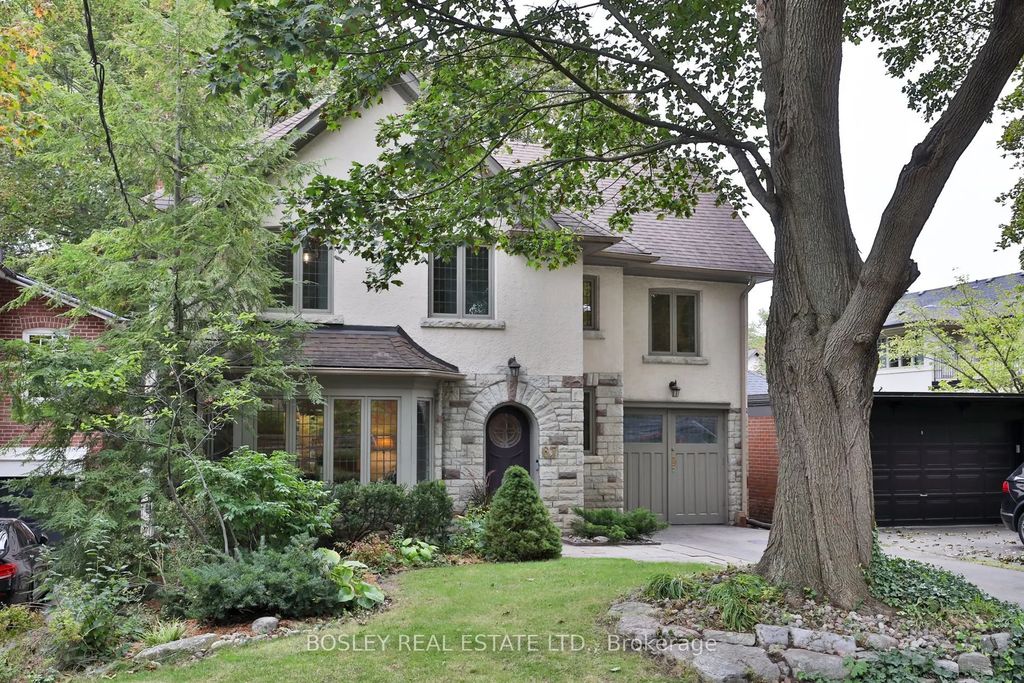
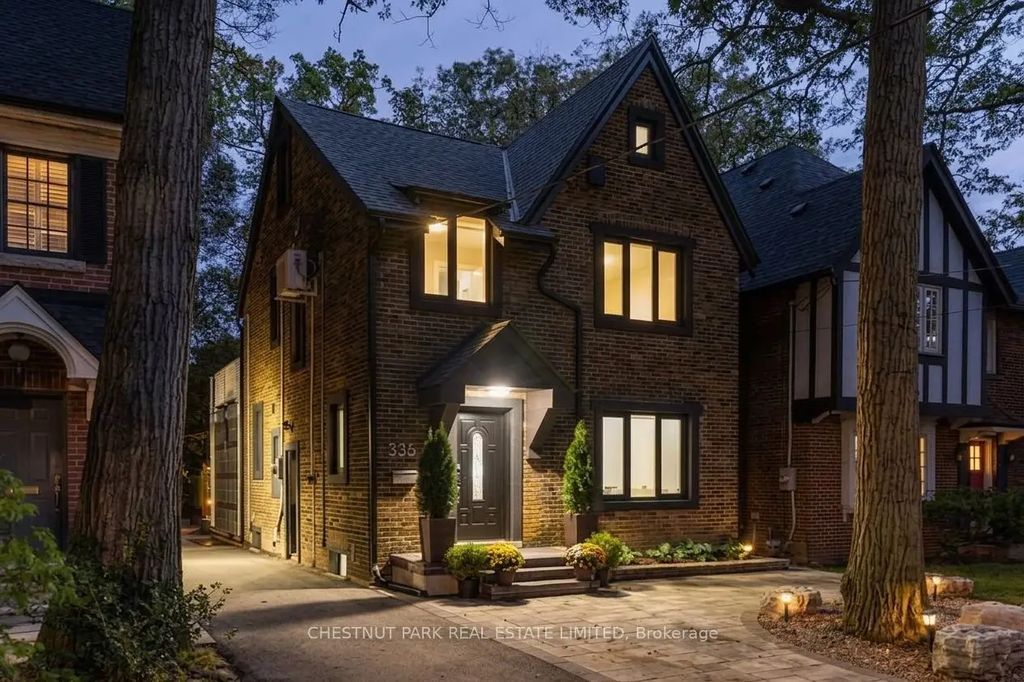
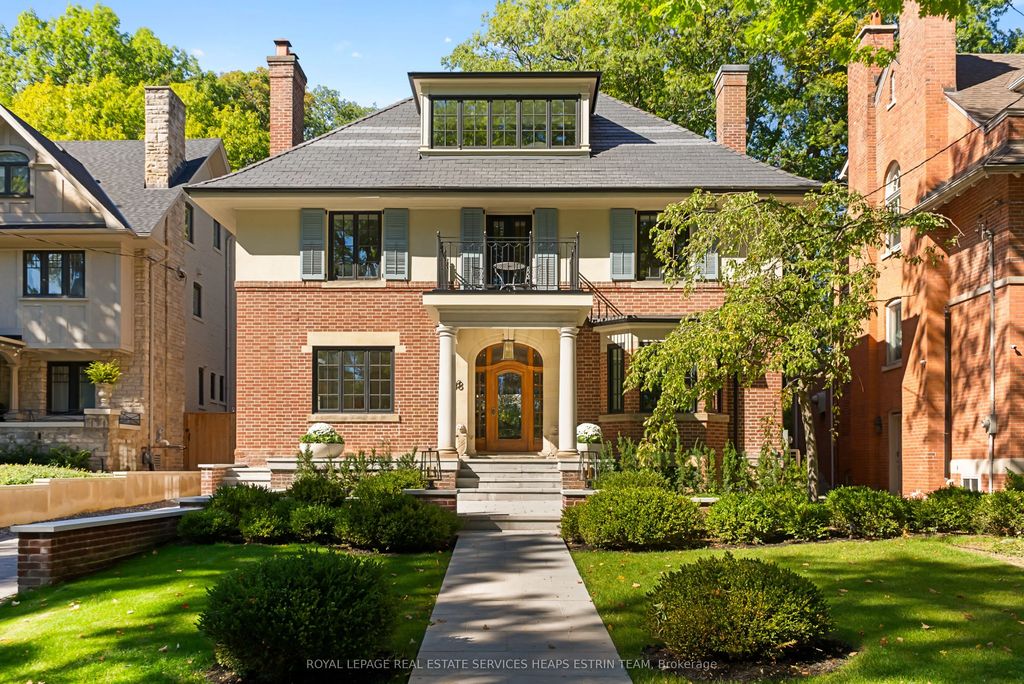
- Housing stock: Substantial detached Edwardian, Georgian Revival, and Tudor Revival homes, with ravine frontage on eastern streets.
- Best suited to: Buyers who want Rosedale's heritage character and ravine setting at a more accessible entry point.
Search Moore Park Listings

Search Rosedale Real Estate Listings

Where Moore Park Is
Moore Park occupies a pocket of central Toronto bounded by Mount Pleasant Cemetery to the west and south, Moore Avenue to the north, and the Moore Park Ravine and Don Valley system to the east. St. Clair Avenue East runs along its southern approach, and Mount Pleasant Road passes through the western portion.
The geography is the defining fact. Bounded by cemetery on one side and ravine on the other, Moore Park has very few entry points and essentially no reason for anyone to drive through it. Streets are quiet in a way that surprises visitors who did not expect it this close to the centre of the city.
It sits directly between Rosedale to the southwest and Leaside and Bennington Heights to the northeast, and shares characteristics with each. It has Rosedale's heritage housing stock and ravine setting at a somewhat more accessible scale, and Leaside's family orientation without the commercial activity.
A Brief History of Moore Park
Moore Park was laid out in the 1880s and 1890s by John T. Moore, a developer and politician who gave the neighbourhood its name. It was conceived as a planned residential community rather than an accumulation of individual developments, and that planning still shows in the coherence of the streetscape.
Moore's development was tied to the arrival of streetcar access, making Moore Park one of Toronto's early streetcar suburbs: designed for residents who would work downtown but live somewhere quieter and greener. More than a century later, that is still essentially the proposition, and it still works.
Moore Park Architecture and Housing Stock
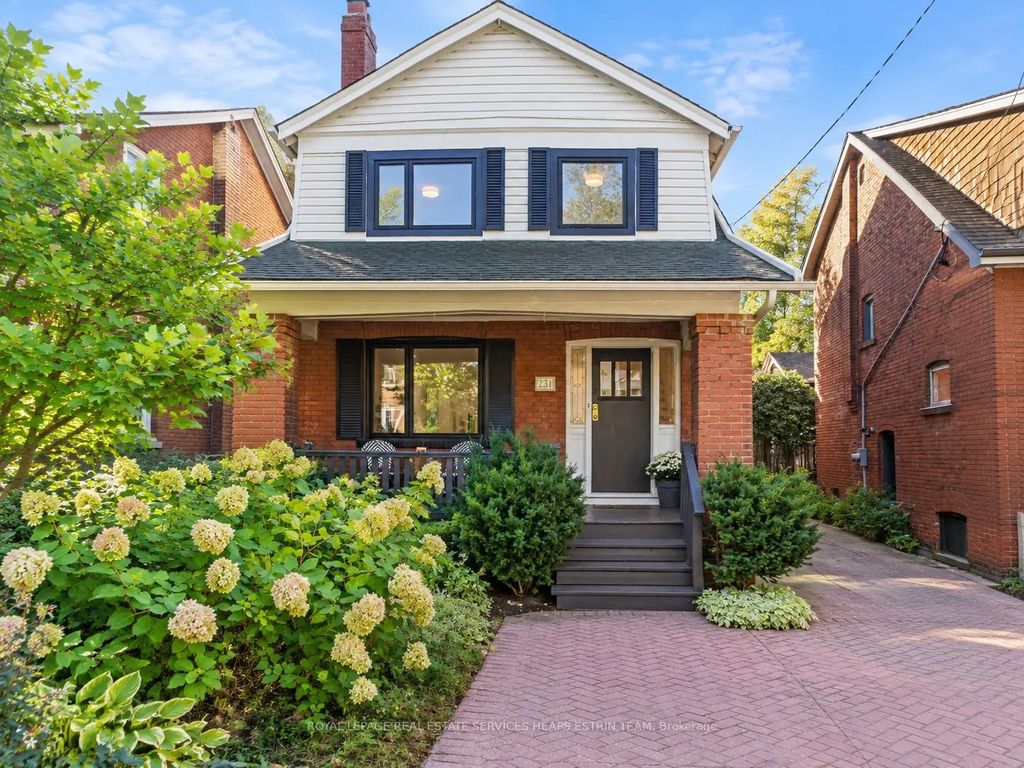
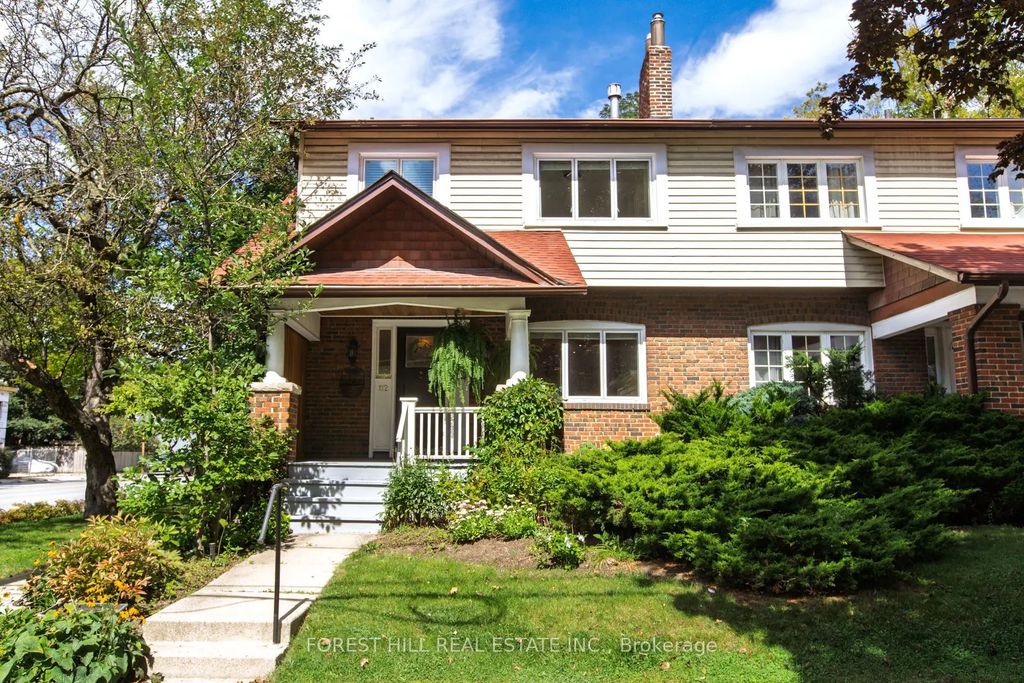
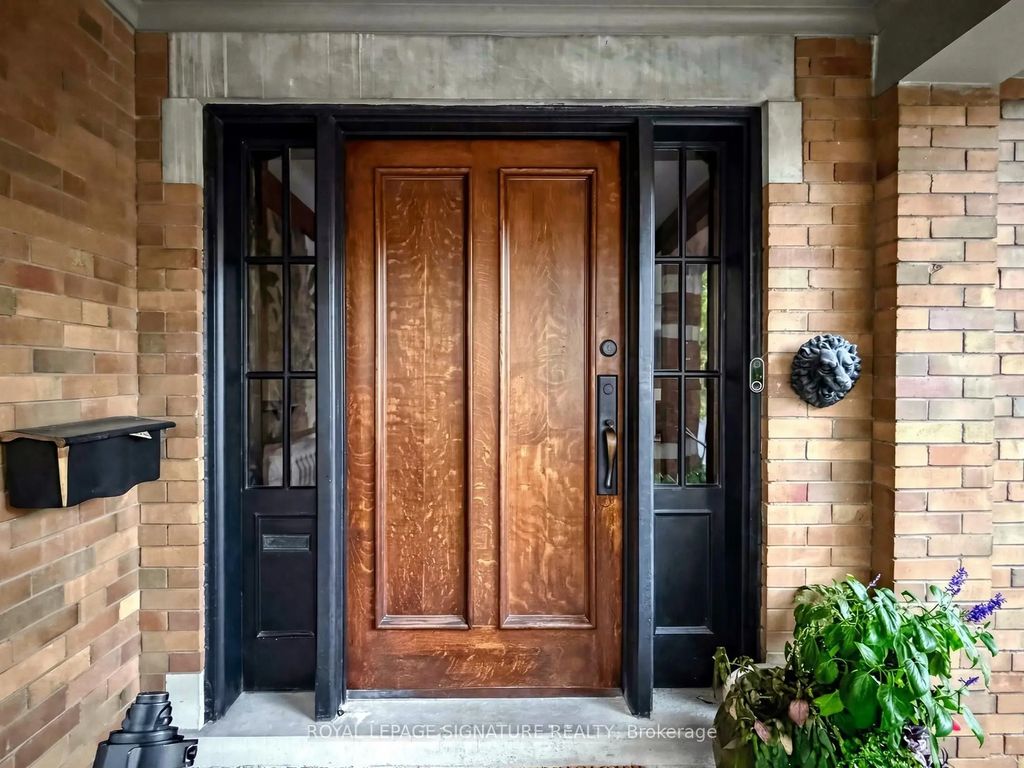
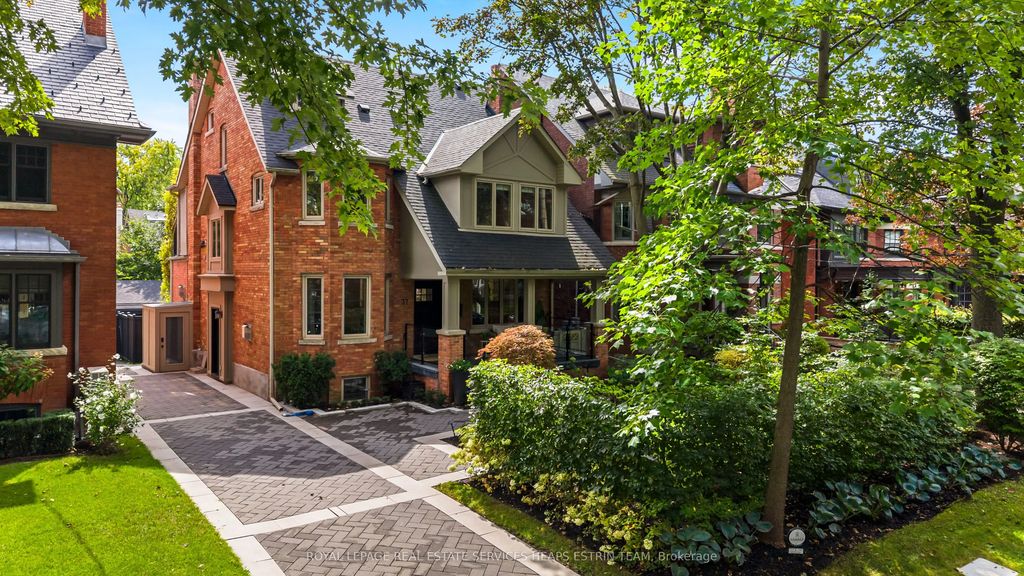
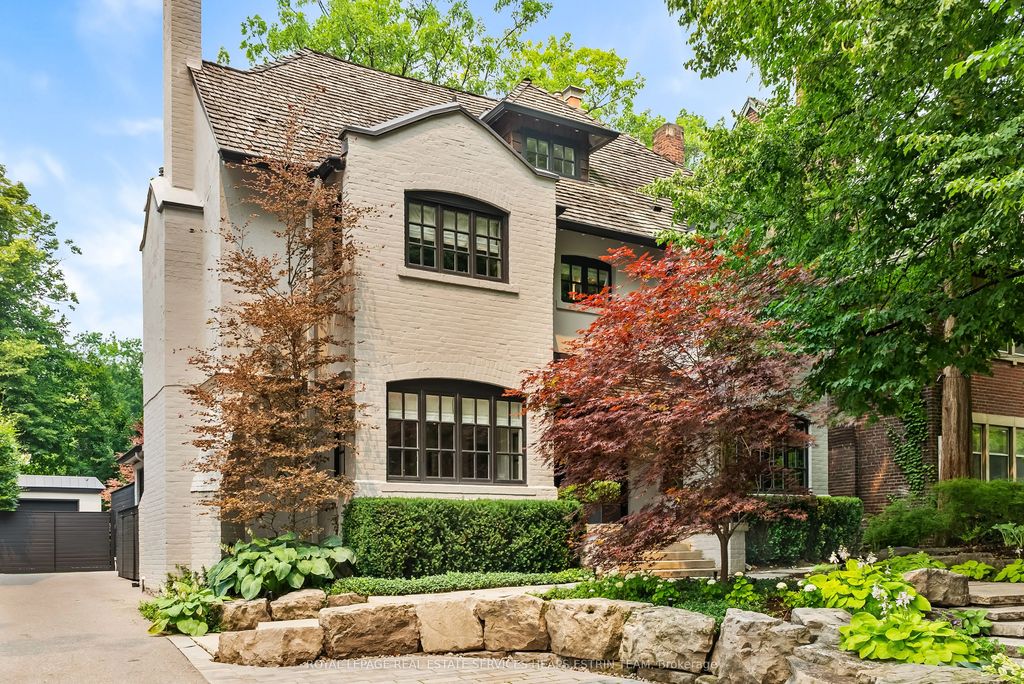
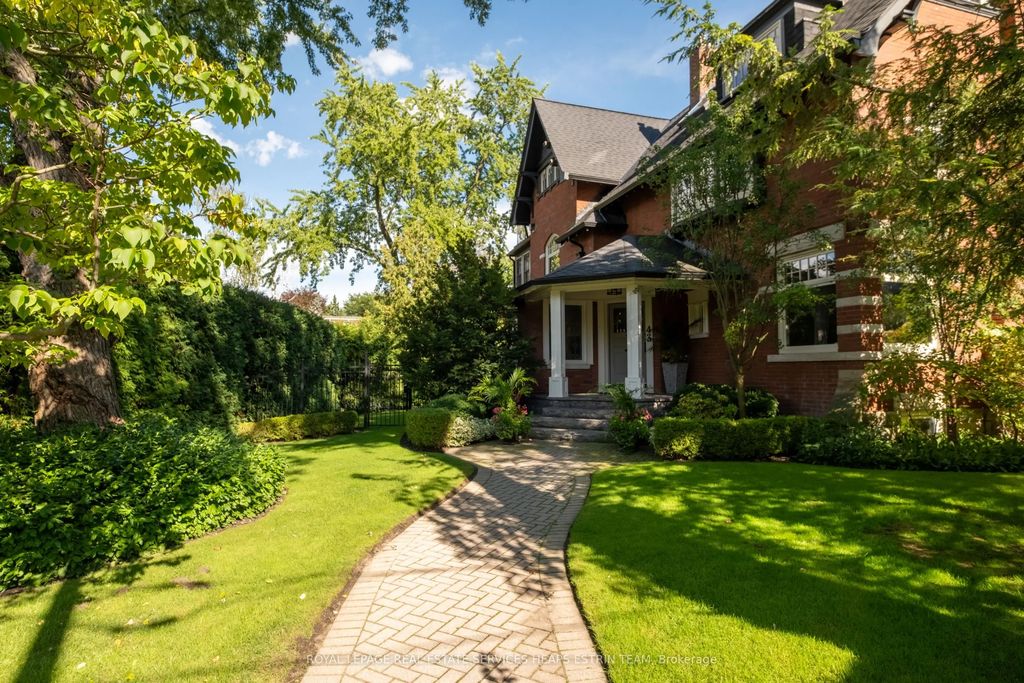
Moore Park is a neighbourhood of substantial detached homes, most dating from the early twentieth century. Edwardian, Georgian Revival, and Tudor Revival styles dominate, generally built in brick and stone with the material quality and craftsmanship typical of the era.
Lots here are notably generous by central Toronto standards, with deep rear yards and mature trees. Streets closer to the ravine edge carry properties with genuine ravine frontage, which is among the most sought-after housing stock in the city.
Extensive renovation has taken place over the past two decades, and the neighbourhood now holds a mix of carefully restored originals, substantial modernizations, and a smaller number of contemporary rebuilds. As in Rosedale, that work operates within heritage and ravine constraints, which has helped preserve the consistency of the streetscape.
The Moore Park Ravine and Mount Pleasant Cemetery
Moore Park's two boundaries are also its two greatest amenities, which is an unusual arrangement.
The Moore Park Ravine runs along the eastern edge and forms part of the trail system connecting south through the Vale of Avoca and down toward Evergreen Brick Works and the Don Valley. It is one of the most used ravine corridors in the city, and for Moore Park residents it functions as a back garden of sorts, accessible directly from the neighbourhood.
Mount Pleasant Cemetery on the western and southern edges is, unexpectedly, one of central Toronto's finest green spaces. It operates as a Victorian arboretum with a designated tree collection, winding roads, and paths that residents use daily for walking and running. For those unfamiliar with it, the idea takes a moment to adjust to. For Moore Park residents it is simply part of the neighbourhood.
David A. Balfour Park sits just to the southwest, adding further trail access toward the Yonge and St. Clair corridor.
Daily Life and Amenities in Moore Park
Moore Park has no commercial strip of its own. Residents rely on the surrounding corridors, and in practice that means a few clear options.
The St. Clair Avenue East strip immediately south handles most daily needs, with grocery, cafes, restaurants, and services. The Yonge and St. Clair corridor to the southwest offers a larger commercial concentration along with the St. Clair subway station. Bayview Avenue in Leaside is a short drive northeast for a different mix of independent retail and dining.
Transit access runs primarily via St. Clair, connecting to the Yonge subway line and the St. Clair streetcar. For drivers, access to the Don Valley Parkway is straightforward, and downtown is a short trip.
The honest summary is that Moore Park trades walkable commercial life for quiet and green space. Buyers who want to walk out their door to a high street should look at Leaside or the Yonge and St. Clair area. Buyers who want silence and ravine access with the city five minutes away will find Moore Park hard to beat.
Schools in and Around Moore Park
Moore Park sits within reach of a strong concentration of both public and independent schools, which is a significant part of its family appeal.
Public schools serving the area and its surroundings include Whitney Junior Public School, Deer Park Junior and Senior Public School, Rosedale Heights School of the Arts, and Northern Secondary School.
Independent schools within convenient reach include Branksome Hall, Upper Canada College, The York School, and Greenwood College School.
Because catchment boundaries can shift and Moore Park sits near the edges of several, buyers making a decision primarily on school access should confirm current boundaries with the Toronto District School Board directly.
The Moore Park Market
Moore Park sits firmly in the established luxury tier of the central Toronto market. It generally trades below Rosedale while carrying a premium relative to most of midtown, which places it in a position many buyers find genuinely appealing: heritage housing stock and ravine setting at a somewhat more accessible entry point than Rosedale commands.
Value here is driven by lot depth and frontage, ravine adjacency, the quality and sensitivity of any renovation, and proximity to the cemetery and ravine trail access. Streets differ meaningfully, and the variation between an original-condition home and a fully restored one on the same street can be substantial.
Inventory is limited. The neighbourhood is small, fully built out, and bounded by cemetery and protected ravine, so there is no development pipeline. Homes are also held for long periods here, often by families who arrived when their children were young and stayed well past. Buyers should expect a patient search.
Broader dynamics at this level of the market are covered in our guide to how Toronto's luxury market works, and much of it applies directly to Moore Park.
Buying in Moore Park
Buyers should understand the constraints early. Ravine properties involve Toronto and Region Conservation Authority regulations, tree protection bylaws, and setback requirements that shape what can be built or altered. Heritage considerations apply to a number of properties. Grade and drainage warrant particular attention given the topography near the ravine edge.
With housing stock largely from the early twentieth century, condition assessment matters. A thorough inspection covering foundation, drainage, electrical, plumbing, and insulation is not a formality in homes of this age. The gap between an original home and a properly restored one is significant in both price and in what you will spend after closing.
Our guide to what to look for when buying a luxury home in Toronto covers the fundamentals that matter most here, particularly lot quality and architectural integrity.
Selling in Moore Park
Moore Park's buyer pool is specific and well-informed. People looking here have usually decided they want quiet, heritage character, and ravine proximity, and they are choosing between a small number of available homes rather than a broad market.
That makes positioning around genuine distinction the priority. Ravine frontage, lot depth, architectural provenance, and the quality of a restoration are what convert interest into offers. Presentation matters, particularly for properties where much of the value lies in the setting rather than the structure alone.
Our guides to preparing a home for a luxury sale and timing the Toronto market both apply, though in a market this limited the right buyer generally matters more than the right month.
Who Moore Park Suits
Moore Park works best for buyers who place quiet near the top of their list, who want heritage architecture and generous lots, and who value daily ravine and green space access as part of ordinary life rather than a weekend outing.
It suits families drawn to the surrounding concentration of schools, and buyers who want central Toronto proximity without central Toronto noise. It particularly suits buyers who admire Rosedale but want a somewhat more accessible entry point into similar housing stock and setting.
It is less suited to buyers who want walkable commercial life at their door, or who need to buy quickly within limited inventory.
Working With a Team That Knows Moore Park
In a neighbourhood this small, where a limited number of transactions each year effectively set the market and where the differences between individual lots and streets carry real weight, granular knowledge matters. Our team works across this entire central and midtown corridor, from Rosedale through Moore Park to Leaside and Bennington Heights.
If you are considering buying or selling in Moore Park, we would be glad to talk it through with you. You can also explore current listings and neighbourhood information on our Moore Park community page.
Frequently Asked Questions
Where is Moore Park in Toronto?
Moore Park is a central Toronto neighbourhood bounded by Mount Pleasant Cemetery to the west and south, Moore Avenue to the north, and the Moore Park Ravine and Don Valley system to the east. St. Clair Avenue East runs along its southern approach. It sits between Rosedale to the southwest and Leaside to the northeast.
Why is it called Moore Park?
The neighbourhood is named after John T. Moore, the developer and politician who laid it out in the 1880s and 1890s as a planned residential community. Its development was tied to the arrival of streetcar access, making it one of Toronto's early streetcar suburbs.
What kinds of homes are in Moore Park?
Moore Park is a neighbourhood of substantial detached homes, most from the early twentieth century, with Edwardian, Georgian Revival, and Tudor Revival styles dominating. Lots are generous by central Toronto standards, with deep rear yards and mature trees, and streets near the eastern edge hold properties with genuine ravine frontage.
Is Moore Park walkable?
Not in the sense of having its own commercial strip, which it does not. Residents rely on St. Clair Avenue East immediately south, the Yonge and St. Clair corridor, or Bayview Avenue in Leaside for daily needs. What the neighbourhood offers instead is quiet, with almost no through traffic and direct access to ravine trails and Mount Pleasant Cemetery.
How does Moore Park compare to Rosedale?
The two share heritage housing stock, ravine setting, and a quiet residential character, and they sit adjacent to one another. Moore Park generally trades below Rosedale, which makes it an appealing option for buyers drawn to Rosedale's qualities at a somewhat more accessible entry point. Rosedale is larger, holds more architecturally significant properties, and sits closer to Yorkville.
Which schools serve Moore Park?
Public schools in the area and surroundings include Whitney Junior Public School, Deer Park Junior and Senior Public School, Rosedale Heights School of the Arts, and Northern Secondary School. Independent schools within convenient reach include Branksome Hall, Upper Canada College, The York School, and Greenwood College School. Because Moore Park sits near several catchment edges, buyers deciding on schools should confirm current boundaries with the Toronto District School Board.
Is Mount Pleasant Cemetery actually an amenity?
Yes, and residents treat it as one. Mount Pleasant Cemetery operates as a Victorian arboretum with a designated tree collection, winding roads, and paths used daily for walking and running. Together with the Moore Park Ravine on the opposite edge, it means the neighbourhood is bounded by green space on multiple sides.
Posted by The Heaps Estrin Team onEnjoy this blog post? Click here to subscribe for updates
Leave A Comment