

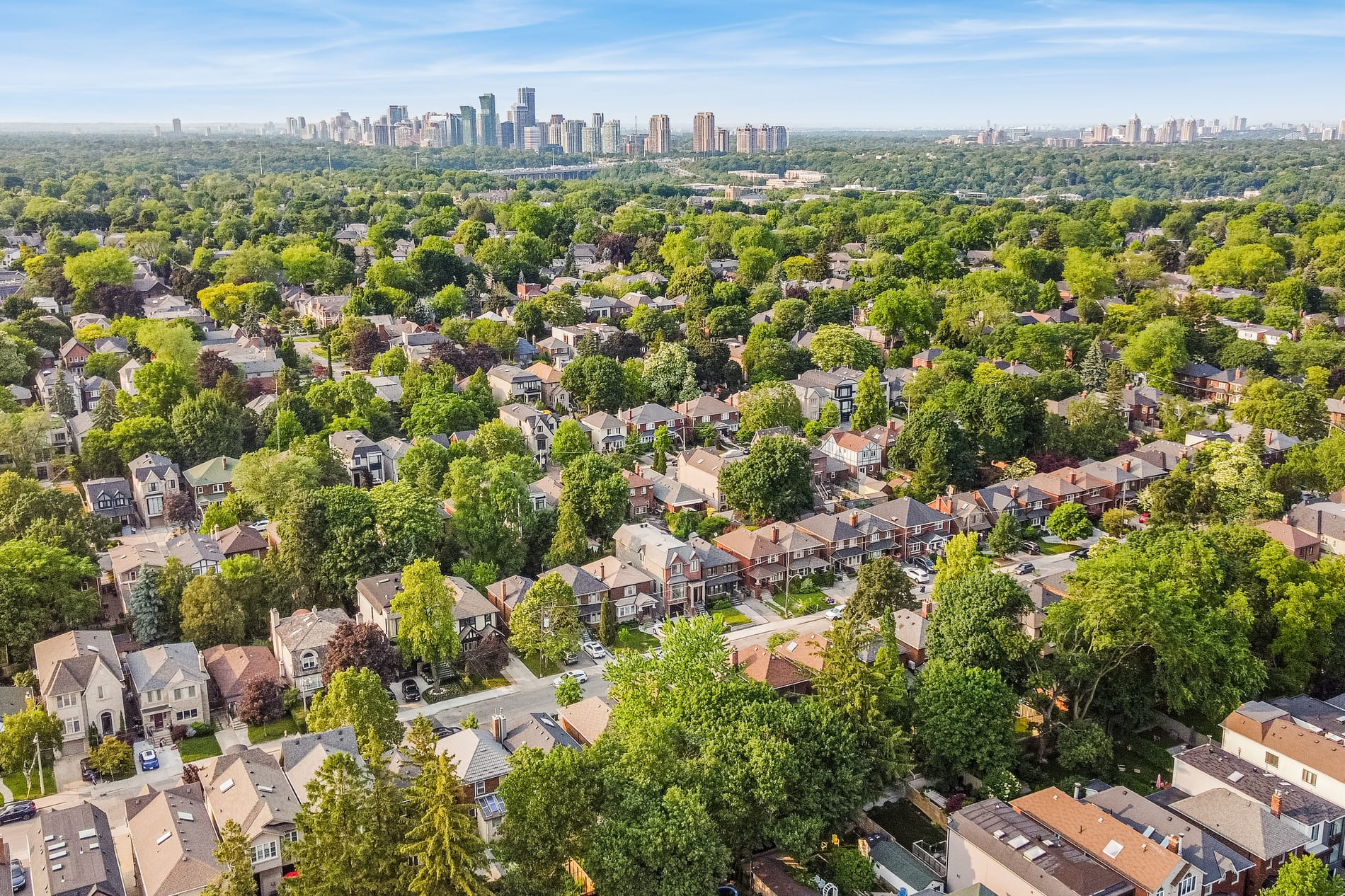
Rosedale is one of the more complex neighbourhoods in Toronto to buy in well. The homes are exceptional, the lots are often remarkable, and the layers of heritage designation, ravine protection, and conservation regulation mean that what a property is and what it can become are two quite different questions. This guide covers what buyers should understand before making an offer in Rosedale.
Buying in Rosedale at a glance
- Average price: Approximately $3.4 million, with wide variation depending on lot, condition, and ravine frontage.
- Heritage: Being listed on the City's heritage register and being designated under the Ontario Heritage Act are different things with different restrictions. Confirm which applies before offering.
- Ravine lots: Governed by Toronto ravine protection bylaws, Toronto and Region Conservation Authority jurisdiction, and tree protection rules that can extend well back from the visible ravine edge.
- Inventory: Very limited. The neighbourhood is fully built out, and a meaningful share of activity happens privately rather than on the open market.
- What drives value: Lot frontage, depth, grade and orientation, ravine adjacency, privacy, and architectural integrity.
Search Rosedale Real Estate Listings
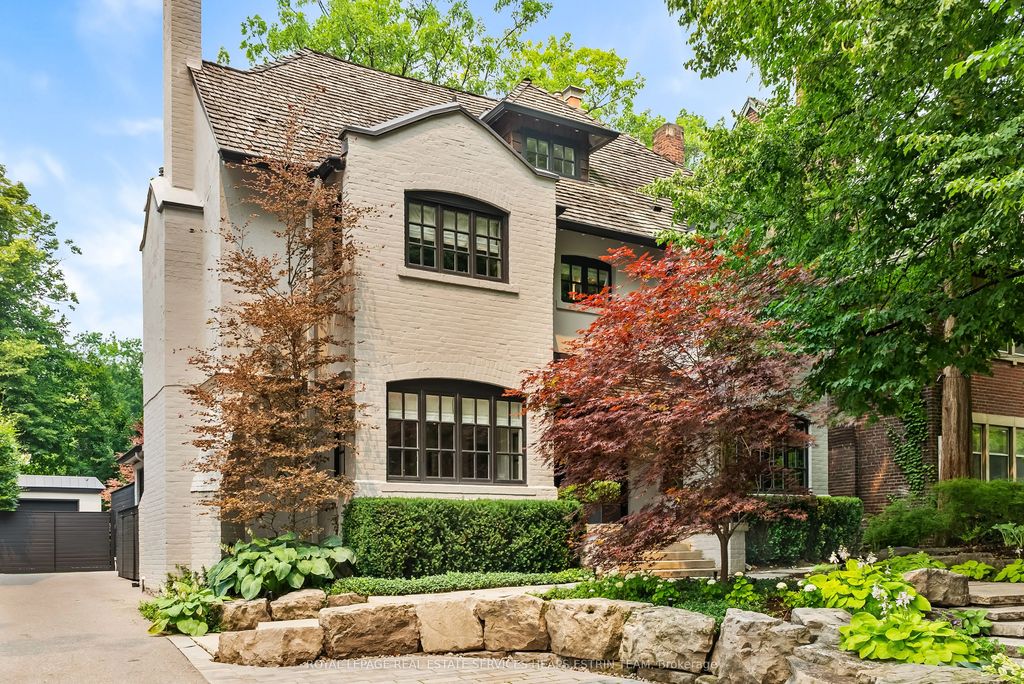
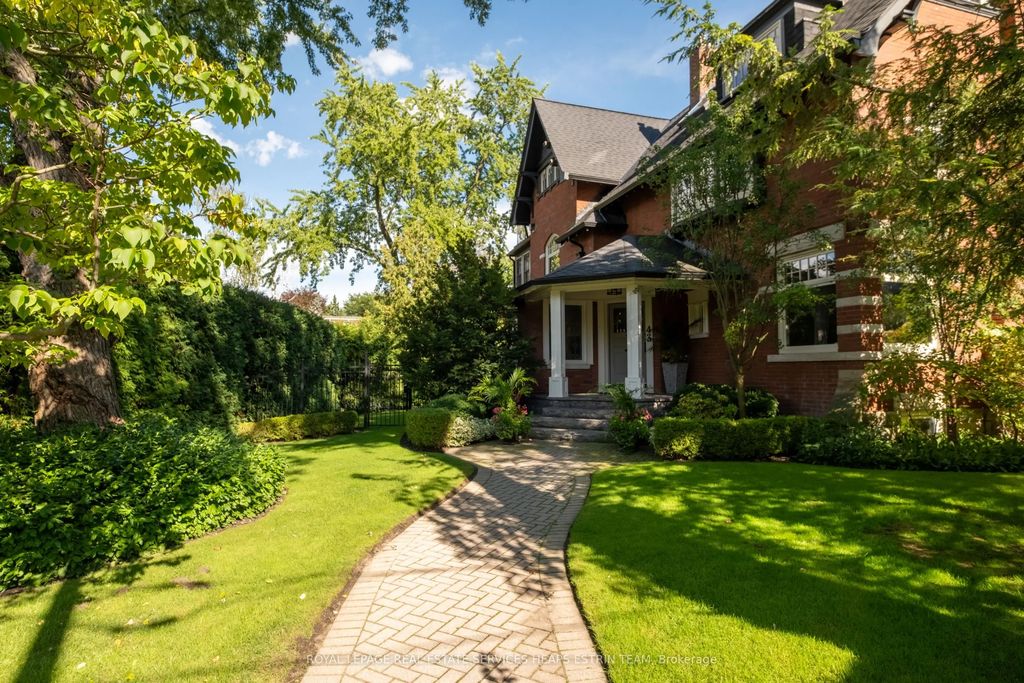

Start With the Rosedale Lot
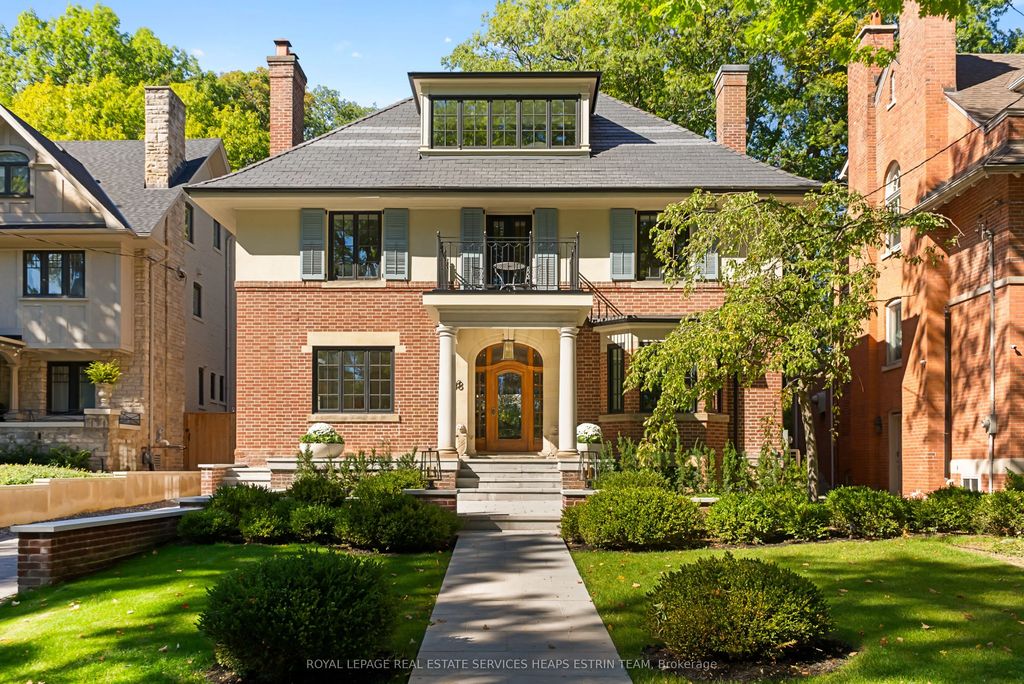
In a neighbourhood where nearly every home has architectural merit, the lot is frequently what separates a good purchase from an exceptional one.
Frontage, depth, grade, and orientation all matter enormously, and they matter more here than in most neighbourhoods because Rosedale's curving street pattern produces genuinely irregular parcels. Two homes on the same street can sit on lots of quite different quality, and the difference is not always obvious from a listing.
Southern exposure, a level building envelope, and privacy from neighbouring properties all support long-term value independently of whatever house currently stands there. Ravine frontage carries the clearest and most durable premium of all. Our guide to what to look for when buying a luxury home in Toronto covers these fundamentals in more depth, and they apply with particular force in Rosedale.
Understanding Heritage Designation in Rosedale
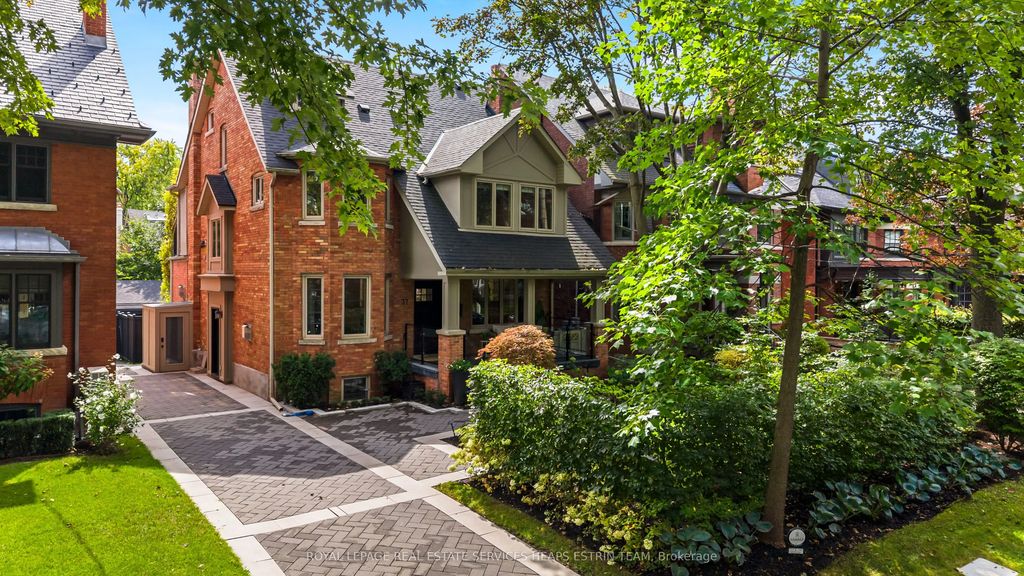
A significant number of Rosedale properties carry heritage recognition, and buyers should understand what that actually means before making an offer.
There is an important distinction between a property that is listed on the City's heritage register and one that is formally designated under the Ontario Heritage Act. The two carry different levels of protection and different implications for what an owner can alter. Designation typically restricts changes to specified heritage attributes, which may include facades, rooflines, windows, or particular interior features.
None of this prevents renovation, and many Rosedale homes have been extensively and beautifully modernized within these constraints. But it does mean that plans need to account for a permitting process, and that some changes a buyer might assume are straightforward may not be. Understanding a specific property's heritage status, and what it protects, is essential due diligence rather than a formality.
Rosedale Ravine Lots and Conservation Regulation
Ravine properties are among the most desirable in Rosedale and among the most regulated.
Toronto's ravine and natural feature protection bylaws govern work near ravine boundaries, including tree removal, grading, and construction. The Toronto and Region Conservation Authority also holds jurisdiction over development within regulated areas, which can extend well back from the visible ravine edge. Tree protection bylaws apply to significant trees regardless of ravine status.
Practically, this means a buyer intending to add an addition, build a pool, reconfigure landscaping, or rebuild entirely should establish what is actually permitted before committing. The setbacks and restrictions can be substantial, and they are not always intuitive from looking at the property.
Grade and drainage also warrant particular attention on ravine lots. Water management in homes built on slope, some more than a century ago, is a genuine consideration and a worthwhile focus for any inspection.
Renovation Potential Versus Requirement in Rosedale Homes
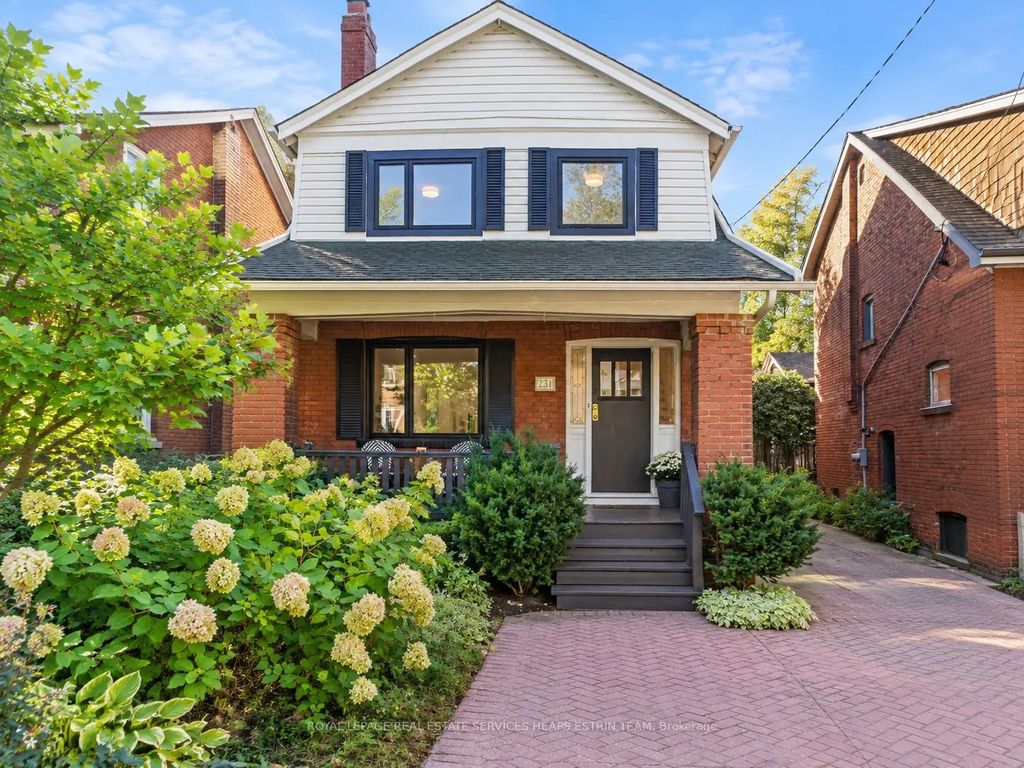
With housing stock spanning more than a century, Rosedale homes fall across a wide spectrum from entirely original to comprehensively rebuilt, and understanding where a given property sits is central to evaluating it.
An original home with strong fundamentals can be an outstanding long-term purchase. Construction quality from Rosedale's principal building eras is genuinely good, proportions and ceiling heights are often better than in contemporary builds, and there is real room to add value through sensitive restoration.
But the cost of modernizing a home of this age should be understood before an offer rather than discovered afterward. Electrical, plumbing, insulation, windows, foundation, and mechanical systems all add up substantially, and heritage constraints can increase both cost and timeline. A property requiring full modernization is a project, and buyers should decide whether they want one before they start looking rather than partway through.
Equally, a recently renovated home carries a premium, and the quality of that work deserves scrutiny. Cosmetic renovation and structural renovation are different things, and they can be difficult to distinguish during a showing.
South Rosedale and North Rosedale
Rosedale divides informally around the rail corridor, and the two halves have distinct character.
South Rosedale sits closer to the Rosedale Valley, Yorkville, and the downtown core. It holds much of the neighbourhood's most historically significant housing stock and its most established streets.
North Rosedale runs toward Mount Pleasant and Moore Avenue, with a somewhat different mix and, in places, larger lots. Buyers often find the value proposition in North Rosedale compelling relative to the south.
Neither is better in a general sense. But they are different enough that a buyer should spend time in both before deciding, rather than treating Rosedale as one market.
What to Expect From the Rosedale Buying Process
Rosedale inventory is limited. The neighbourhood is fully built out, bounded by protected ravine, and heavily governed by heritage and conservation protections, so there is no development pipeline. Homes are also held for long periods here, often across generations.
The practical result is that buyers should expect to wait. The right property may not appear for months, and readiness matters enormously when it does. Having financing arranged, priorities clearly defined, and representation able to move quickly is what allows a buyer to act decisively on a rare property rather than watch it go.
It is also worth knowing that not every Rosedale property that trades reaches the open market. A meaningful share of activity at this level happens quietly, through relationships rather than listings, which is one reason representation with genuine standing in the neighbourhood matters more here than in most Toronto markets.
Our guide to timing the Toronto market covers the broader seasonal picture, though in Rosedale specifically, readiness and access matter considerably more than season.
Practical Advice for Rosedale Buyers
Walk the streets on foot. Rosedale's curving layout means that maps are misleading. How a street actually feels, how much traffic it carries, how the canopy sits, and how homes relate to one another are things you can only assess in person.
Establish heritage status early. Before getting attached to a property, understand whether it is listed, designated, or neither, and what specifically is protected.
Get the ravine questions answered before offering. If a property has ravine frontage and you have any intention of altering the house or grounds, find out what is permitted first.
Inspect thoroughly. With homes of this age, foundation, drainage, electrical, plumbing, and insulation all warrant genuine attention rather than a cursory review.
Consider the surrounding market too. Buyers drawn to Rosedale often find that Moore Park or Summerhill offer much of what they want at different price points. Comparing honestly across all three tends to produce better decisions than fixating on the address alone.
Working With Someone Who Knows Rosedale
Almost everything above comes down to specificity. Which street, which lot, what a particular designation protects, how a given block has traded, and which properties are quietly available without ever appearing on a listing portal.
The Heaps Estrin Team has worked in Rosedale for decades, with a record built almost entirely within Toronto's established neighbourhoods, including more than $5.5 billion in total sales volume over 25 years. In a market this constrained and this nuanced, that history and those relationships translate directly into access and judgment.
If you are considering a purchase in Rosedale, we would be glad to help you think it through. You can also browse current listings and neighbourhood information on our Rosedale community page.
Frequently Asked Questions
What is the average price of a home in Rosedale?
While these numbers fluctuate with market conditions and property type, the average price of a home in Rosedale currently sits around $3.4 million. That figure conceals substantial variation, as heritage homes on significant ravine lots can trade well above it while smaller properties and condominium units sit below.
What does it mean if a Rosedale home is heritage designated?
There is a difference between a property listed on the City's heritage register and one formally designated under the Ontario Heritage Act, and the two carry different levels of protection. Designation typically restricts changes to specified heritage attributes, which may include facades, rooflines, windows, or interior features. Renovation remains possible, but plans need to account for a permitting process, so establishing a property's specific status is essential due diligence.
Can I renovate or add on to a Rosedale ravine property?
Often yes, but within real constraints. Toronto's ravine protection bylaws, Toronto and Region Conservation Authority jurisdiction, and tree protection bylaws all govern work near ravine boundaries, and regulated areas can extend well back from the visible ravine edge. Anyone intending significant alterations should establish what is permitted before committing to a purchase.
Should I buy an original or renovated home in Rosedale?
Both can be excellent purchases. Original homes often have strong fundamentals, good proportions, and genuine room to add value through sensitive restoration, but modernization costs in homes of this age are substantial and heritage constraints can increase both cost and timeline. Renovated homes carry a premium, and the quality of that work is worth assessing carefully rather than assuming.
What is the difference between South Rosedale and North Rosedale?
South Rosedale sits closer to the Rosedale Valley, Yorkville, and the downtown core, and holds much of the neighbourhood's most historically significant housing stock. North Rosedale runs toward Mount Pleasant and Moore Avenue with a somewhat different mix and, in places, larger lots. Buyers frequently find the value proposition in North Rosedale compelling relative to the south.
Why is it so hard to find a home for sale in Rosedale?
The neighbourhood is fully built out, bounded by protected ravine, and governed by heritage and conservation protections, so there is no development pipeline. Homes are also held for long periods, often across generations. Additionally, a meaningful share of Rosedale activity happens quietly rather than through public listings, which is why representation with genuine standing in the neighbourhood matters.
What should I look for when viewing a Rosedale home?
Beyond the house itself, focus on lot frontage, depth, grade and orientation, ravine adjacency, privacy from neighbouring properties, and the integrity of the original architecture. Establish the property's heritage status and any ravine restrictions early. With homes of this age, a thorough inspection covering foundation, drainage, electrical, plumbing, and insulation is essential.
Posted by The Heaps Estrin Team onEnjoy this blog post? Click here to subscribe for updates
Leave A Comment