


The Buildings That Helped Shape Toronto's Gay Village
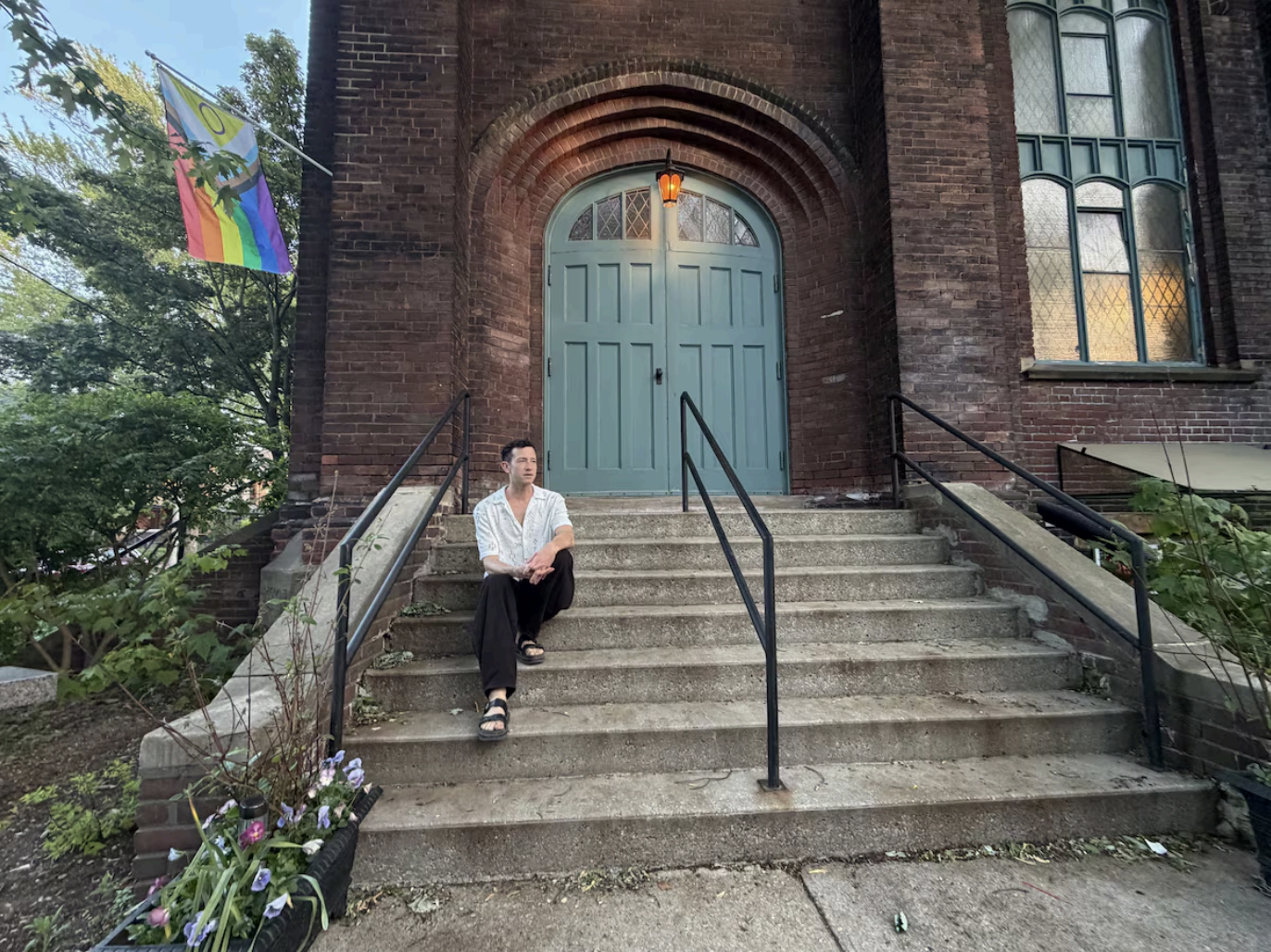
When people think of Toronto’s Gay Village, Church and Wellesley often comes to mind. Yet the story of Toronto’s 2SLGBTQ+ community extends far beyond those few blocks, unfolding in homes, churches, bookstores, and community spaces across the city.
A recent Globe and Mail article by Dave LeBlanc, featuring insights from architectural historian and Heaps Estrin real estate agent Alex Corey, explores several buildings that played a significant role in Toronto’s evolution as Canada’s gay capital.
A History Built Beyond the Village
One of the article’s central themes is that Toronto’s queer history was shaped in neighbourhoods throughout the city. Long before the Gay Village became a recognized cultural hub, community members were creating spaces where they could gather, organize, and support one another.
Many of these spaces occupied buildings that others had overlooked, transforming them into places of connection and belonging.
The Birth of Queer Publishing and Community Spaces
A key landmark is 139 Seaton Street in Cabbagetown, which housed both Glad Day Bookshop and The Body Politic during the 1970s. The building served as a bookstore, publishing office, community hub, and safe haven during an important period in Canada’s LGBTQ+ history.
Its story reflects how grassroots initiatives helped create visibility and foster community long before widespread acceptance.
Creative Communities in Moore Park
The article also highlights the legacy of sculptors Frances Loring and Florence Wyle, who purchased a former schoolhouse at 110 Glenrose Avenue in 1920. Their home and studio became a gathering place for artists, thinkers, and cultural leaders for decades.
Their influence can still be seen today at the nearby Loring-Wyle Parkette, which honours their contributions to Toronto’s cultural landscape.
Creating Space for Women
At 342 Jarvis Street, Clementyne’s and later the Lesbian Organization of Toronto provided an important gathering place for women during the 1970s. Beyond offering community space, the organization also supported vulnerable members through housing and meeting facilities.
A Turning Point for LGBTQ+ Rights
Another notable site is Club Baths at 231 Mutual Street, one of the locations targeted during Toronto’s 1981 bathhouse raids. The protests that followed became a defining moment in the city’s LGBTQ+ rights movement and helped pave the way for the growth of Toronto Pride.
A Landmark for Inclusion and Equality
The Metropolitan Community Church at 115 Simpson Avenue remains one of Toronto’s most significant LGBTQ+ landmarks. Since moving into the building in 1991, MCC Toronto has been a centre for advocacy, outreach, and support. It also became internationally recognized when Rev. Dr. Brent Hawkes performed the world’s first legalized same-sex marriage there in 2001.
Understanding Toronto Through Its Buildings
These landmarks demonstrate that Toronto’s 2SLGBTQ+ history is woven throughout the city’s neighbourhoods. More than architectural sites, they tell stories of resilience, creativity, activism, and community-building.
As Pride celebrations continue each year, these buildings offer a deeper understanding of the people and places that helped shape Toronto into the inclusive city it is today.
To read the full story, visit The Globe and Mail
Learn more about Alex Corey and Storied Homes walking tours.
Posted by The Heaps Estrin Team onEnjoy this blog post? Click here to subscribe for updates
Leave A Comment